
Song Kang's Piano Role: How He Prepares for Quiet Characters
A journal, ballet and now the piano: what Song Kang's preparation tells us about characters who keep a lot to themselves.
01The things characters never say
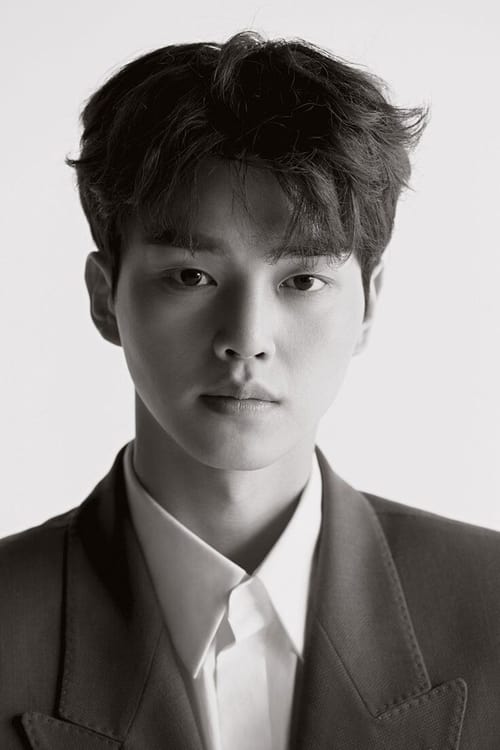
Sometimes, what stays with us about a character is something they never say: a pause before answering, a glance that slips away, that moment when someone seems ready to speak, then changes their mind. Song Kang has played quite a few characters like that, people who are easy to notice, but a little harder to understand. So when a piano enters the picture, there is an interesting question: what happens when a character who struggles to express himself has another way to be heard?
02A pianist with a controlled exterior
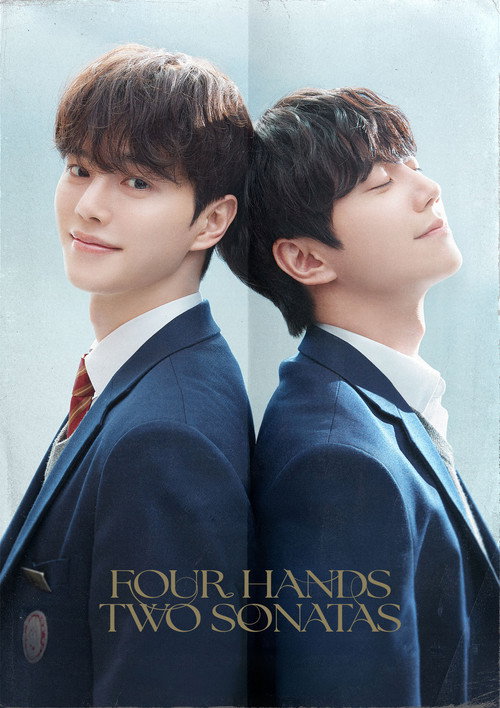
That is one reason to be curious about Four Hands, Two Sonatas, and the role Song Kang chose for his return. In the drama, he plays Kang Bi-o, a gifted young pianist with a carefully controlled exterior. Talent and discipline are part of his world, but so are pressure and the expectations that come with being good at something.
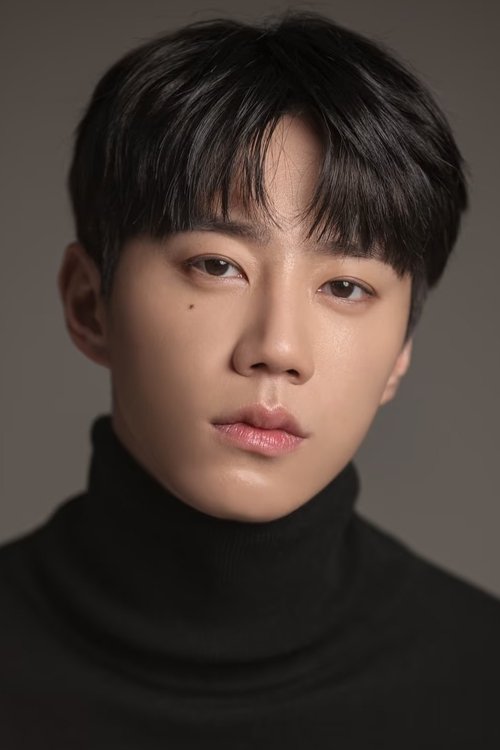
Then Choi Jeong-yo, played by Lee Jun-young, enters that world with a different relationship to music. It is a setup that leaves room for rivalry, connection, and the uncomfortable experience of meeting someone who unsettles you.
03Preparing through more than dialogue
For many viewers, their first encounter with him was through romance. Love Alarm, Nevertheless, and My Demon each gave audiences a different version of his screen presence. A look, a smile, or a quiet moment between two people could become a big part of a scene's appeal.
But put those roles beside Sweet Home or Navillera, and a different side of his work comes into view. In Sweet Home, Cha Hyun-su is withdrawn and isolated, caught in circumstances that make his inner life difficult to separate from the danger around him. While preparing for the second season, Song Kang said he wrote a journal from Hyun-su's point of view almost every day. Away from the action and the visual effects, part of the preparation involved sitting down and trying to work out what this person might be feeling. The audience would never need to read those pages. Their purpose was to help him understand the character he would bring back to the screen.
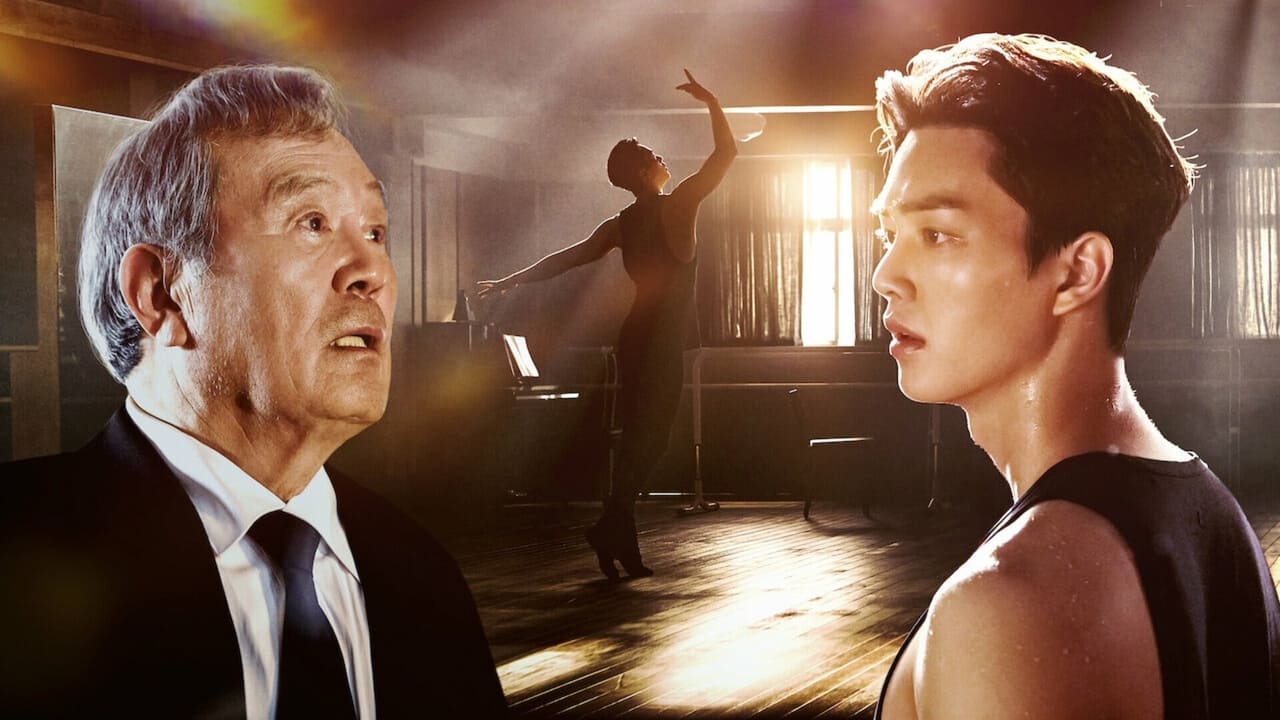
Navillera asked for a different kind of preparation. As Lee Chae-rok, Song Kang played a young ballet dancer whose life was shaped by talent, frustration, and the demands of training. He trained in ballet for five to six months before filming. He also spoke about paying attention to the lines of his body, the feeling behind a movement, and where he directed his gaze.
The same movement can seem confident, hesitant, or exhausting depending on how someone carries it.
You do not have to know ballet to notice when a character seems comfortable in his body, or when every movement feels like an effort.
04Learning the piano
With Four Hands, the physical task changes, though the attention to small details still feels relevant. Song Kang said the script stayed in his mind while he was considering other projects. He also spoke about enjoying piano music and jazz piano in his everyday life, so the musical world of the story already had something familiar for him. For the role, he took piano lessons for several months. When regular lessons became harder to fit around filming, he continued practising with videos from his teachers. He also discussed with the director how to express Kang Bi-o's emotions.
Preparation alone cannot tell us how a performance will turn out. What we eventually respond to is what happens in a scene. Does the character seem to be listening? Does a mistake bother him? Does he relax when he plays, or become even more tense? For someone who is used to doing things well, a small mistake can feel surprisingly personal, and meeting another talented person can bring out feelings that are not especially easy to admit: admiration, perhaps, jealousy, curiosity, or the worry that all your hard work might still leave something missing.

05Two people at one piano
Choi Jeong-yo is described as someone with a more instinctive approach to music, carrying his own difficult history and a need to find his way back. Someone who wants everything under control does not always know what to do with a person who approaches the same thing differently, and the person who seems freer may have difficulties of his own. The title offers a simple image for that relationship.
Four hands. Two people at one piano.
They share the instrument, but each arrives with a different sense of timing, a different touch, and a different idea of how the music should feel. For a character like Bi-o, paying attention to each other could be just as challenging as learning the notes.
06What to watch for
A journal helped Song Kang explore a character's private thoughts. Ballet gave him a way to work with movement and expression. Piano brings another set of physical and emotional details to learn. These are different roles, and they do not necessarily add up to one fixed acting method. Still, they give us something more specific to watch for than whether a role feels different from the last one: how he pauses, how he holds himself, how he responds when another person interrupts the composure of his character.
There is no need to decide in advance that Four Hands will be a turning point, or his best performance. We have seen Song Kang play people who keep a lot to themselves. This time, one of them is sitting at a piano. When he begins to play, will it feel like he is finally letting someone in?
Pictures: TMDB (portraits and stills) and OnamiDramas video artwork. This product uses the TMDB API but is not endorsed or certified by TMDB.
The people
The dramas





More stories
Kim You-jung: Public Face, Open Heart and a Mask
Three roles, one idea: what do we show, and what do we keep? Kim You-jung from My Demon and 20th Century Girl to Dear X.

Ji Chang-wook Beyond the Action Hero: The Roles That Changed His Work
Ji Chang-wook once said he would stop making action dramas. From The K2 to The Worst of Evil, the challenge shifted from action…

Zhang Linghe on Voice, Preparation and Feeling Natural on Camera
Zhang Linghe on keeping characters separate, finding a voice and learning to stop thinking about the camera.