Ji Chang-wook Beyond the Action Hero: The Roles That Changed His Work
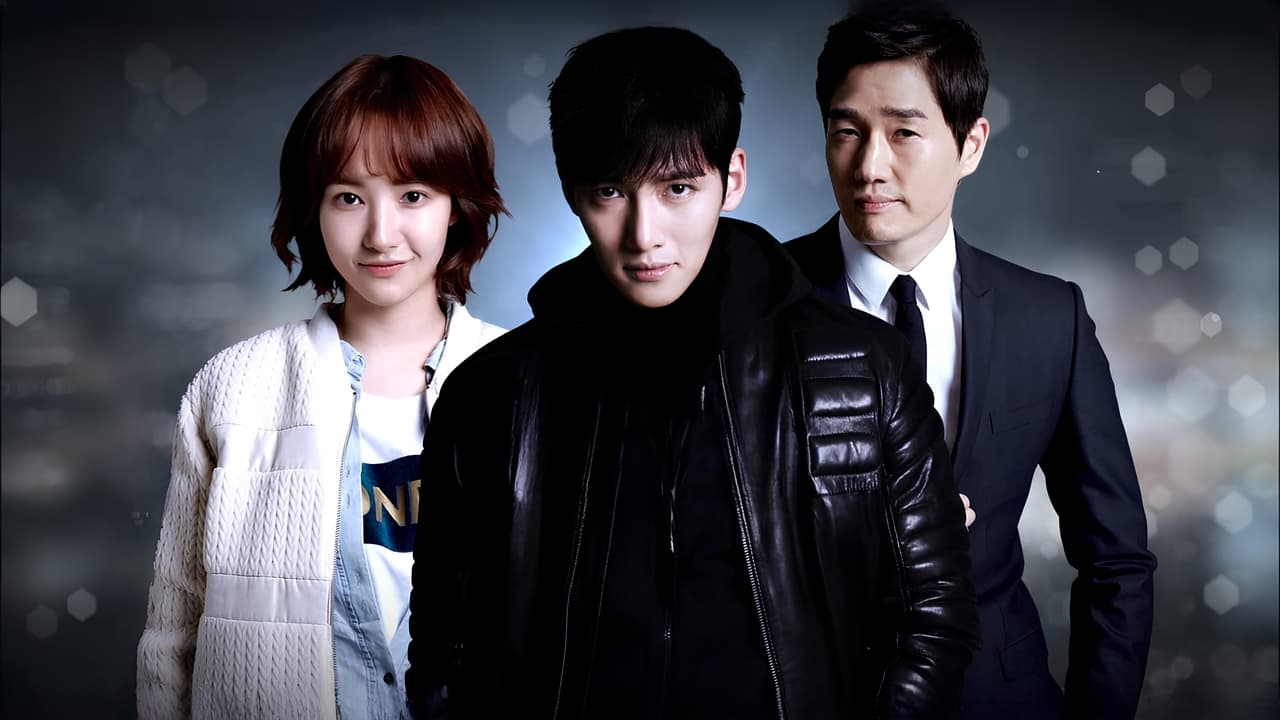
Ji Chang-wook once said he would stop making action dramas. From The K2 to The Worst of Evil, the challenge shifted from action to hidden emotion.
01The promise to leave action behind
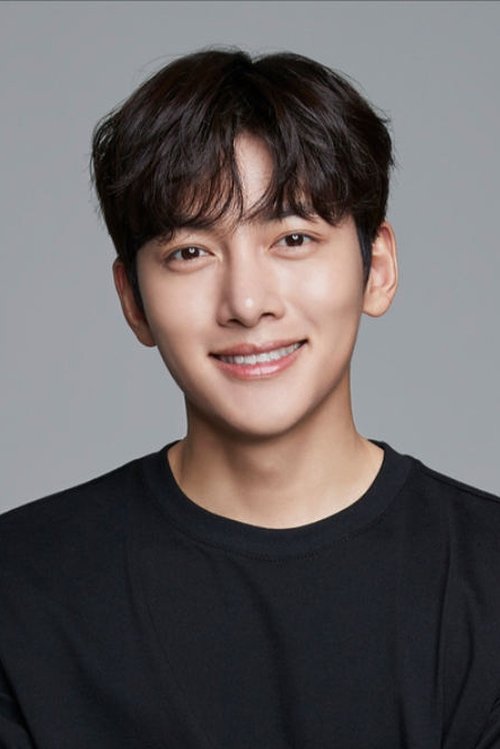
Ji Chang-wook once said he would stop making action dramas. From The K2 to The Worst of Evil, his challenge would shift from demanding action to carefully hidden emotion. Strength was only the beginning.
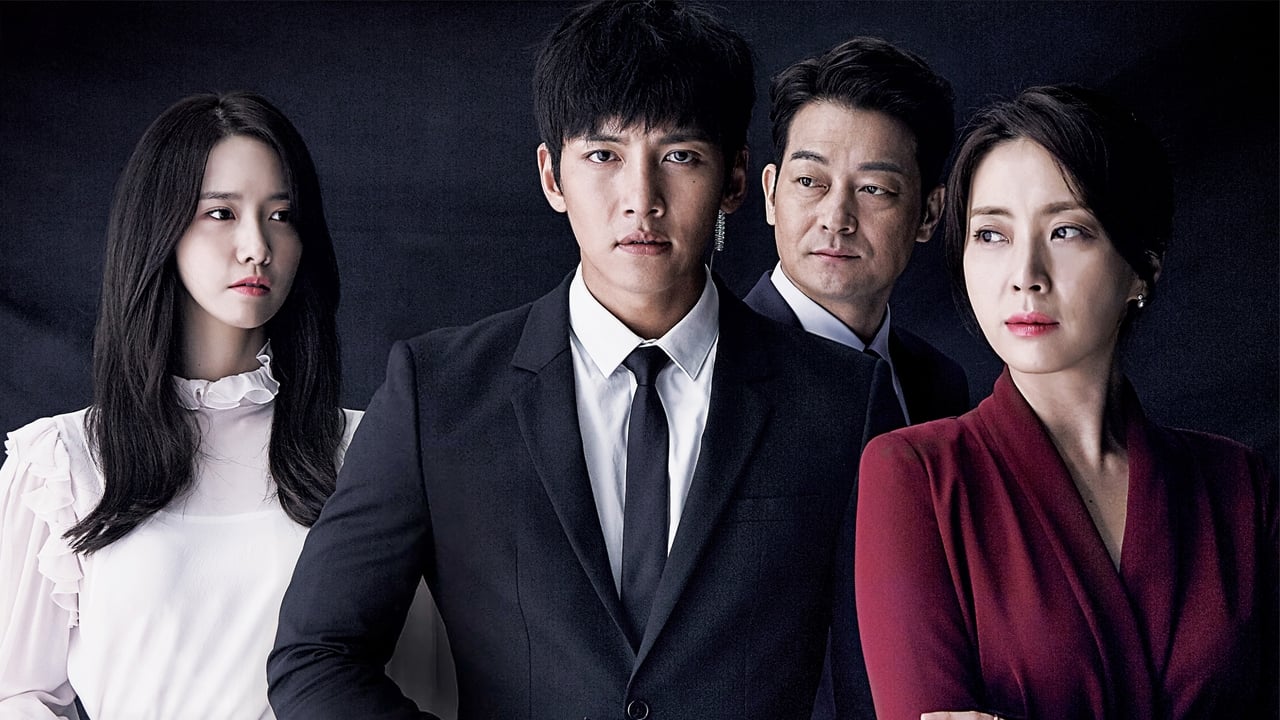
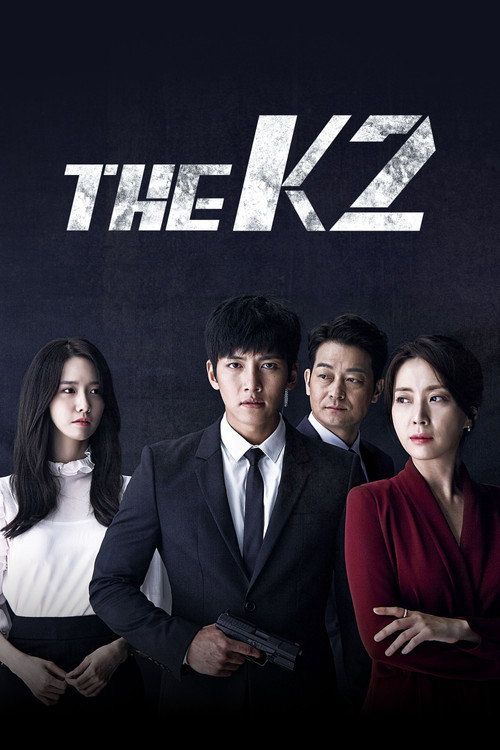
For The K2, he spent two months at action school preparing to play a former mercenary. At its September 2016 press conference, he called it his hardest project so far. He also worked on building muscle for the part. That November, he clarified to Yonhap that the remark had been half joking, half serious, although he wanted a break from action. He had also worried that another action role might be too similar to Healer.
02Healer and the question of repeating
Back in 2014, Healer had combined action and romance around a secretive errand runner working under another identity. Ji described a dark character with a comical, clumsy side. He spoke about a broader social story, too, beyond the newspaper setting and the action. Even within that action role, there was more than toughness to play. Repeating the genre meant facing an awkward question: what would make the next person different?
Ji found that difference in The K2's tone and character. Later, he told The Korea Times that a strong script, an appealing character, or work he could do well guided his choices. Action was one possibility among those choices.
03Romance, military service and a new beginning
In 2017, Suspicious Partner brought that search into a romantic comedy with Nam Ji-hyun. Ji played Noh Ji-wook, a prosecutor he described as stubborn and difficult to approach, with a sensitive inner life. He described the two leads as opposites who complemented each other, and thought their differences could create both romance and comedy.
Ji enlisted in August 2017 and was discharged in April 2019. After returning, he told SBS that watching other actors on television had made him worry about whether he could perform like them when he got out. He had been watching with envy as well as concern. Past experience had not made the next beginning feel automatic.
04Ordinary, hesitant, warm
By 2020, Backstreet Rookie had placed him in a convenience store as Choi Dae-hyun, opposite Kim You-jung. Ji said he wanted to work with director Lee Myung-woo and was attracted to the store's familiar atmosphere. His description of Dae-hyun included honesty and hard work, alongside an indecisiveness that could be frustrating.
Being dependable in one way does not make someone capable in every situation.
Moving beyond the action hero could mean allowing a character to be ordinary, hesitant, and sometimes difficult.
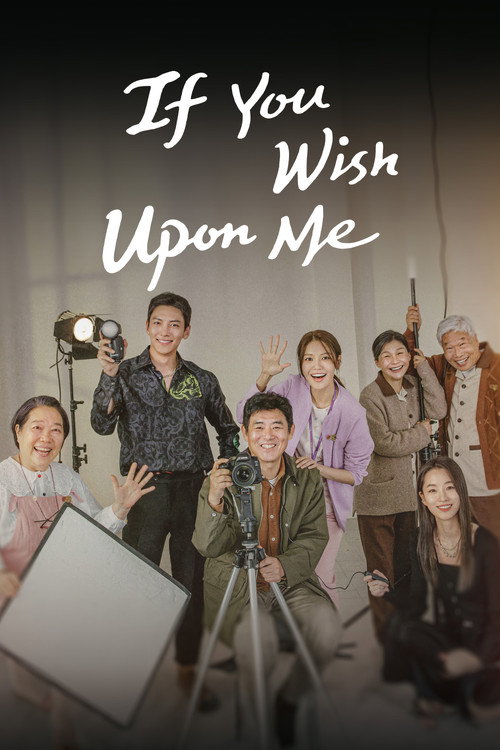
With If You Wish Upon Me in 2022, Ji was drawn to Yoon Gyeo-re's loneliness and pessimism. He said the script had moved him to tears. Gyeo-re arrives at a hospice on a community service order and joins the effort to fulfil patients' final wishes. Ji singled out the character's change through meeting the team as something he discussed extensively with the director. He wanted viewers to feel warmth in that transformation, rather than encounter only a man's pessimism.

05Magic, music and letting feeling out
Another 2022 role, Ri-eul in The Sound of Magic, added singing and magic to the work. The story places a magician who resists adulthood alongside young people under pressure to grow up. Director Kim Sung-yoon used music to carry parts of the dialogue and story, so a song could be part of the storytelling itself. Ji told The Korea Times that he practised magic for around three to four months with help from magician Lee Eun-gyeol. The magic and singing had to belong to the character, rather than sit beside the acting as separate accomplishments.
He also described approaching Ri-eul more directly, expressing happiness or anger instead of questioning every action as he had on earlier projects. The preparation involved learning what to do, but the performance also involved deciding what to let out.
06Restraint in The Worst of Evil
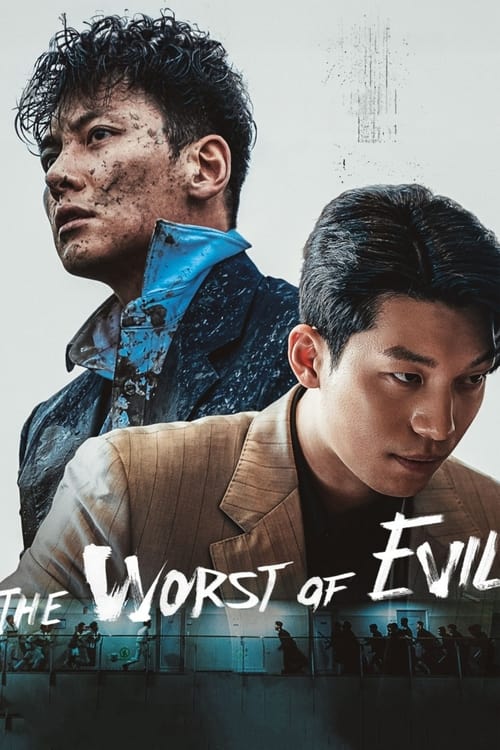
In 2023, The Worst of Evil brought Ji into a criminal organization as undercover officer Park Jun-mo. The work returned to dangerous territory, but his explanation of Jun-mo began with choices. Speaking to Yonhap, he said he did not start by morally judging the character. Instead, he concentrated on why Jun-mo acts as he does and how he keeps justifying his decisions. For the project itself, he spoke of trusting a production team whose experience in the genre gave him high expectations.
A police badge alone cannot explain every choice a person makes.
In a Cine21 interview, Ji described another problem: how much of Jun-mo's nervousness should he reveal? Too little might weaken the suspense, while too much could seem artificial. After discussing it with director Han Dong-wook, he found concealment more natural for the character. For Ri-eul, emotion had been allowed to come directly to the surface; Jun-mo called for restraint. The difference lies in what each person needs, even when the same actor is doing the work.
07Not the whole story
The statement about leaving action behind was never the whole story. Across these roles, the work kept changing: preparing the body, learning a craft, deciding when to express a feeling and when to hold it back. You can read more about Ji Chang-wook and ask which role changed how you see him.
Pictures: TMDB (portraits and stills) and OnamiDramas video artwork. This product uses the TMDB API but is not endorsed or certified by TMDB.
The people
The dramas




More stories
Song Kang's Piano Role: How He Prepares for Quiet Characters
A journal, ballet and now the piano: what Song Kang's preparation tells us about characters who keep a lot to themselves.
Kim You-jung: Public Face, Open Heart and a Mask
Three roles, one idea: what do we show, and what do we keep? Kim You-jung from My Demon and 20th Century Girl to Dear X.

Zhang Linghe on Voice, Preparation and Feeling Natural on Camera
Zhang Linghe on keeping characters separate, finding a voice and learning to stop thinking about the camera.